Last updated:
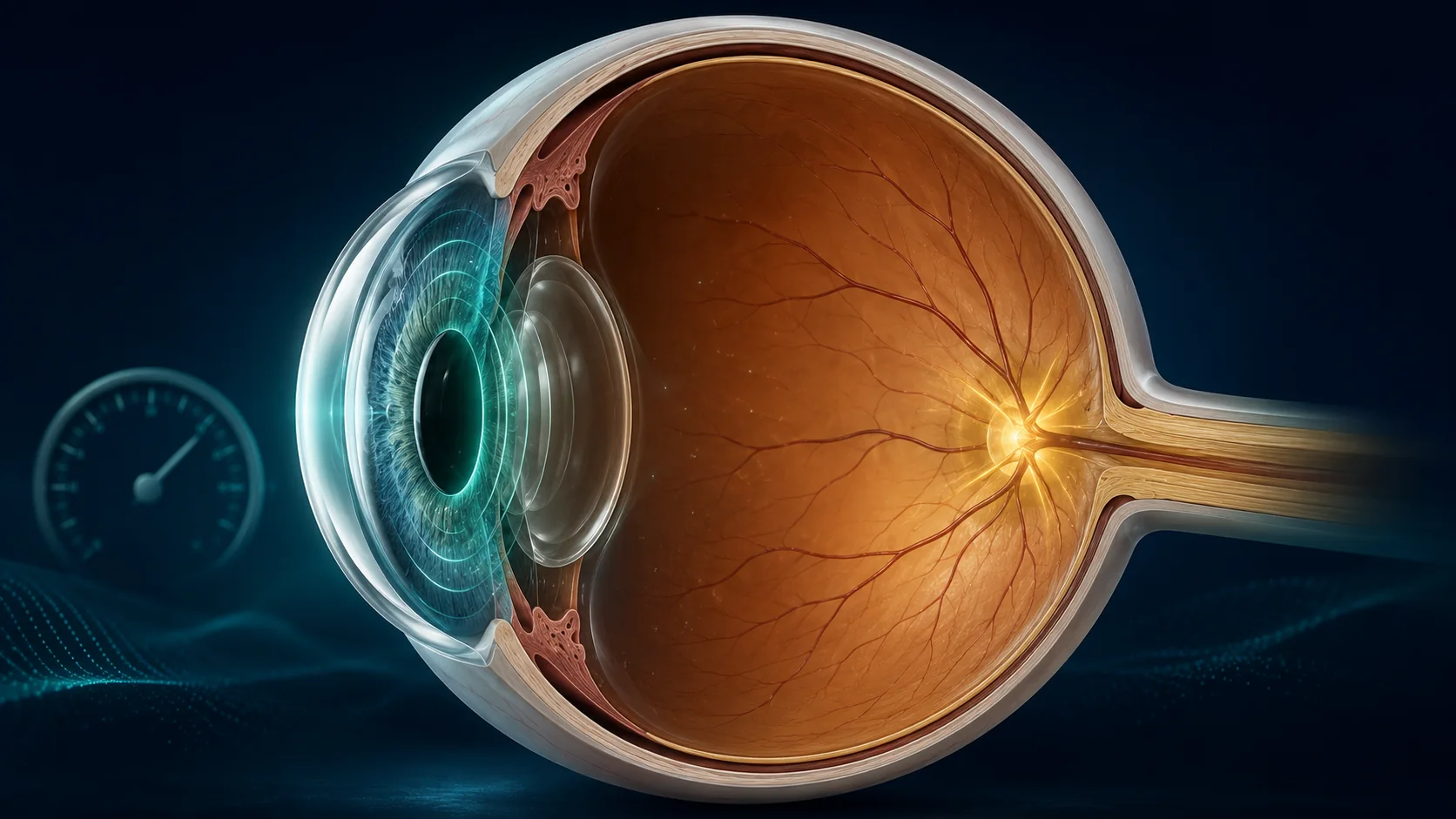
Glaucoma is not simply high eye pressure. It is a group of conditions that can damage the optic nerve and gradually affect the visual field if it is not detected and treated early.
The commonest forms may begin and progress without pain or obvious symptoms. A person may not notice a change until part of the vision has already been affected.
Does high eye pressure always mean glaucoma?
No. Some people have raised eye pressure without glaucoma, while others may develop glaucoma despite a pressure measurement within the usual range. Diagnosis therefore includes assessment of the optic nerve and any other tests appropriate to the patient.
Who should pay particular attention to eye examinations?
- People with a family history of glaucoma.
- People with raised eye pressure.
- Older adults.
- People with diabetes or high blood pressure.
- People using corticosteroid medicines for a prolonged period.
- Anyone with a previous eye injury or operation.
How is glaucoma assessed?
Assessment may include measuring eye pressure and examining the optic nerve and retina, followed by additional testing or regular monitoring when needed. The goal is to understand the optic nerve’s condition and plan appropriate care, not simply record one pressure number.
Can glaucoma be treated?
Treatment aims to lower eye pressure and preserve remaining vision by preventing or slowing further damage. Depending on the condition, it may include eye drops, laser treatment or surgery. Vision already lost to glaucoma is usually not restored, which makes early detection and regular follow-up important.
Severe sudden eye pain with redness, blurred vision, headache or nausea requires urgent eye assessment.